complete repair and maintenance services for Denver Car Repair
Get Back on the Road With Peace of Mind - Reliable Auto Repair
Dependable auto repair is crucial for safe and efficient vehicle operation. A trustworthy shop provides comprehensive services, from routine checks to urgent repairs. Recognizing when your vehicle requires service can be challenging. Many drivers struggle with finding trustworthy mechanics. Consistent upkeep plays a key role in extending your car's lifespan. Yet, the intricacies surrounding pricing and talking to repair technicians can leave one uncertain. What steps can drivers take their vehicles are always road-ready?
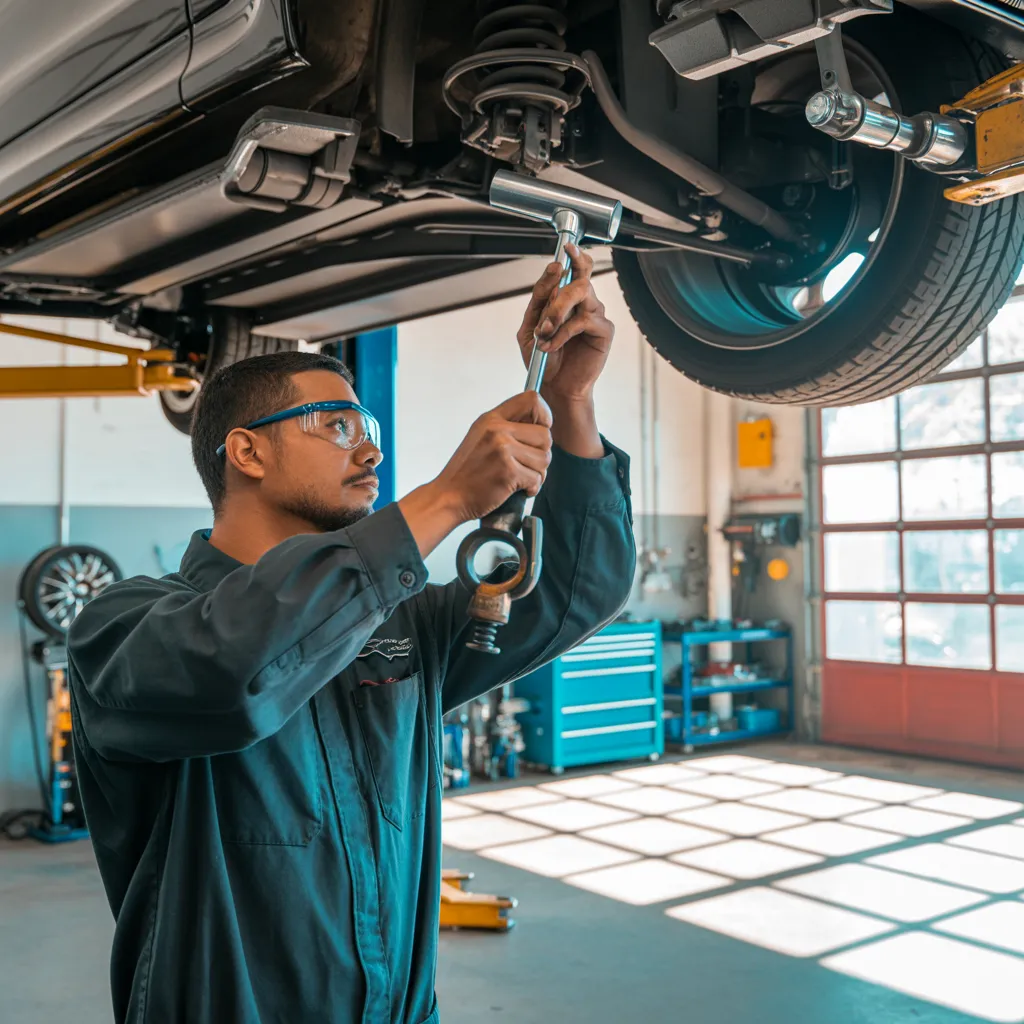
Understanding When Your Car Requires Repairs
How can one tell when a vehicle needs repair? There are several key indicators that suggest a need for repair. Unusual noises, such as grinding or squeaking, often indicate brake or engine issues. Warning lights on the dashboard, particularly the check engine light, should not be ignored, as they warn of potential problems that demand immediate investigation. Additionally, a decrease in performance, such as sluggish acceleration or difficulty starting, can also point to underlying mechanical issues.
Visual indicators, such as fluid leaks or uneven tire wear, are further indications that servicing is required. If the vehicle drifts to one direction while operating, this could indicate alignment issues or tire complications. Consistently tracking these elements can help guarantee timely repairs, avoiding greater deterioration and expenses in the future. Overall, being observant and proactive is crucial for maintaining vehicle health.
How to Discover a Trustworthy Auto Repair Shop
Locating a dependable car repair facility can be a difficult task for car owners. To start, people should seek suggestions from friends, relatives, or coworkers. Personal experiences often provide valuable insights into a shop's quality of service. Online reviews and ratings on sites like Yelp or Google can also help assess customer satisfaction.
Next, looking at qualifications and associations with recognized industry organizations, such as the Automotive Service Excellence (ASE), can indicate a shop's focus on maintaining standards. It is prudent to visit potential shops for an initial consultation, giving customers to assess sanitation, workflow, and support.
In addition, getting written estimates before any work starts can prevent misunderstandings about costs. Finally, a honest shop should be transparent about its services and ready to describe repairs. By following these steps, vehicle owners can increase their chances of discovering a dependable auto repair shop.
The Vital Advantages of Regular Vehicle Maintenance
While many vehicle owners may ignore routine upkeep, regular vehicle maintenance is vital for guaranteeing a car's durability and optimal operation. Neglecting maintenance can lead to a cascade of issues, from minor inconveniences to major malfunctions. Standard inspections, such as fluid replacements, wheel rotations, and brake inspections, can prevent costly repairs and enhance driving safety.
Additionally, regular upkeep helps sustain a vehicle's fuel economy, decreasing overall operating costs. It also protects the resale value; a well-maintained car is often more desirable to prospective customers.
Engaging in routine maintenance creates a sense of accountability among owners, encouraging them to remain informed about their vehicle's requirements. By stressing regular care, vehicle owners not only safeguard their purchase but also contribute in general traffic safety. Ultimately, regular vehicle upkeep is a forward-thinking approach that benefits both the owner and the broader society.
Understanding Maintenance Costs
Grasping maintenance costs can frequently prove perplexing for automobile owners. Diverse factors determine these costs, encompassing labor charges, parts pricing, and the level of intricacy in the repair job. Labor charges differ extensively throughout different regions and shops, usually manifesting the technician's experience and the business's overhead. In addition, the type of parts used—whether OEM parts or aftermarket options—can markedly shape the ultimate bill.
Vehicle model and age also factor in to costs; less common or older vehicles may need specialized parts that are pricier and harder to source. Moreover, unforeseen problems can arise during repairs, resulting in additional costs that were not originally expected. By gaining a basic understanding of such considerations, vehicle owners can approach repair estimates with greater confidence and establish well-reasoned conclusions regarding their car-related necessities.
How to Thoroughly Outline Car Issues to Your Mechanic
Effectively communicating car problems to a mechanic can significantly improve the diagnosis and repair process. When describing problems, car owners should be specific about symptoms, such as unusual noises, tremors, or warning lights. Providing details on when the issue occurs—whether during acceleration, stopping, or idling—can also assist the mechanic pinpoint the problem.
It is significant to identify any recent modifications in driving conduct or upkeep records. Choosing clear, straightforward language sidesteps ambiguity, permitting the mechanic to interpret the problem more accurately. Vehicle operators should abstain from incorporating industry terminology unless they are assured in its meaning.
In addition, submitting evidence, like service records or previous repair invoices, can deliver context. A well-defined account not only quickens swift diagnosis but also encourages a teamwork approach between the car owner and the mechanic, ultimately ensuring effective repairs.
Establishing a Lasting Relationship With Your Auto Repair Shop
Developing a long-term relationship with an auto repair shop copyrights on integrity and candor. Consistent quality service reinforces this tie, while transparent communication channels guarantee that patrons feel important and understood. Collectively, these elements build a partnership that benefits both the customer and the repair technician.
Establish Credibility By Transparent Practices
When customers feel well-informed about the services their vehicles need, confidence naturally develops between them and their auto repair shop. Transparency in communication is essential; it allows clients to understand the reasoning behind suggested repairs and maintenance. Auto repair shops that provide detailed insights, accurate estimates, and open discussions establish a sense of security among their clientele. This openness not only simplifies the repair process but also empowers clients to make informed decisions. Furthermore, sharing information about the shop’s qualifications, warranties, and service history strengthens credibility. By prioritizing transparency, auto repair shops can cultivate lasting relationships, encouraging return business and customer loyalty. Ultimately, trust through transparency sets the path for a more dependable and reliable auto repair experience.
Consistent Quality Service
Consistent quality service is the cornerstone of a enduring connection between customers and their auto repair shop. When customers receive dependable and prompt repairs, they are more likely to return for subsequent upkeep. This reliability fosters trust, allowing customers to feel confident in the skill of the technicians. Over time, as customers observe the same high standards being upheld, a sense of loyalty develops. Quality checks performed on a regular basis and compliance to industry standards guarantee that vehicles are not only repaired but also serviced to avoid upcoming problems. Such dedication to excellence creates an environment where customers sense appreciation, knowing their vehicles are in skilled hands. Ultimately, this dedication to consistent quality service strengthens the bond between auto repair shops and their clientele.
Open Dialogue Channels
Effective communication functions as an important bridge between clientele and their auto repair shops, enhancing trust and understanding. Open pathways for communication foster a collaborative context where customers feel valued and aware. When repair shops provide transparent explanations regarding services, costs, and time estimates, customers can make wiser selections about their automobiles. Regular communications during repairs can alleviate concern and build confidence in the shop's expertise. In contrast, customers who express their concerns and preferences participate to a more bespoke experience. This reciprocal dialogue not only solidifies ties but also encourages commitment. By prioritizing open communication, auto repair shops can develop a reputation for dependability, ensuring that clientele come back for future needs, assured in the service they will receive.
Frequently Requested Questions
What Should I Consider if My Car Breaks Down Abruptly?
If a vehicle breaks down unexpectedly, the driver should carefully move to the side of the road, turn on hazard lights, examine the situation, and call for roadside assistance or a tow service if needed. Staying calm is important.
How Can I Identify if a Mechanic Is Reliable?
To evaluate a mechanic's dependability, one should check reviews, obtain suggestions, evaluate certifications, and ensure clarity in rates. A dependable technician will communicate clearly and provide detailed explanations of necessary repairs and services.
What guarantees cover auto repairs services?
Several auto repair shops provide warranties on their services and parts, typically ranging from 90 days to several check this years. Customers should ask about specific details and requirements to ensure adequate protection for their repairs.
What Instruments Should I Maintain in My Car for Emergencies?
A properly equipped car should include a spare tire, jack, jumper cables, flashlight, first aid kit, basic tools, and tire pressure gauge. These critical items help guarantee safety and resolve minor issues during unforeseen situations on the road.
What Steps Should I Take to Prepare My Car for Seasonal Changes?
To set up a car for weather transitions, one should examine fluid levels, examine tires for wear and inflation, check the power source, change wipers, and make sure lights operate as intended for best safety and operation.